

Understanding Remote Operations: Strategies for Effective Management
A few years ago, if someone had told me that entire companies would run from living rooms, kitchen tables, and quiet corners of cafés, I would have raised an eyebrow. Work, to many of us, meant offices, conference rooms, whiteboards filled with scribbles, and the hum of collective activity. Then everything changed.
Today, Remote Operations are not a temporary experiment or a trendy perk. They are a core business strategy. From startups with distributed teams to global enterprises coordinating employees across time zones, remote work has become an operational backbone. And while the flexibility is liberating, managing remote operations effectively requires more than handing out laptops and setting up video calls.
It demands intention, structure, empathy, and a rethinking of how we define productivity and leadership.
In this article, we’ll explore what remote operations truly mean, the challenges that come with them, and the strategies that make them not just functional—but thriving.

What Are Remote Operations?
At its core, Remote Operations refers to the systems, processes, and management strategies that allow a company to function efficiently when employees work outside a traditional office environment. This can include fully remote teams, hybrid models, or distributed teams across cities, countries, or continents.
Remote operations aren’t just about “working from home.” They encompass:
- Communication systems
- Workflow management
- Performance tracking
- Data security
- Team engagement
- Leadership dynamics
In a traditional office, operations often rely on proximity. You overhear conversations, drop by someone’s desk, or hold spontaneous meetings. Remote operations, however, rely on clarity and structure. Nothing happens “accidentally.” Everything must be designed.
That shift—from informal coordination to intentional coordination—is where many organizations either flourish or struggle.
The Rise of Remote Operations: Why It’s Here to Stay
Remote work was once considered a perk for tech companies or freelancers. Today, it’s a competitive necessity. Companies embracing remote operations report:
- Access to global talent
- Reduced overhead costs
- Higher employee satisfaction
- Improved retention rates
But beyond business metrics, something more human has emerged. People value flexibility. They value the ability to pick up their children from school, avoid exhausting commutes, or live in cities that inspire them.
Remote operations aren’t just operational changes—they represent a cultural shift. And culture, as any experienced leader knows, is far more complex to manage than tasks.
The Core Challenges of Managing Remote Operations
Before diving into solutions, it’s important to acknowledge the real challenges.
1. Communication Gaps
In physical offices, communication is layered. Body language, tone, and informal chats all play a role. In remote operations, misinterpretations are easier. A short message can feel cold. A delayed response can create anxiety.
Without clarity, small misunderstandings can snowball into bigger issues.
2. Lack of Visibility
Managers often struggle with a quiet fear: “Is the team actually working?”
This mindset can lead to micromanagement, which quickly erodes trust. On the other hand, too little oversight can result in missed deadlines and inconsistent output.
Balancing accountability and autonomy is one of the most delicate aspects of remote operations.
3. Isolation and Engagement
Remote employees can feel disconnected. Without spontaneous interactions, collaboration can become transactional. Over time, motivation may decline—not because people lack drive, but because they lack connection.
4. Time Zone Complexities
Distributed teams bring diversity and global reach—but they also bring scheduling challenges. A meeting convenient for one team may mean a midnight call for another.
Managing remote operations across time zones requires thoughtful coordination.
Building a Strong Foundation for Remote Operations
Successful remote operations don’t happen by accident. They are built intentionally, layer by layer.
1. Clear Documentation as a Cultural Habit
In remote environments, clarity is currency.
Every workflow, expectation, and guideline should be documented. This doesn’t mean drowning in paperwork. It means:
- Clearly defined roles
- Transparent processes
- Accessible knowledge bases
- Structured onboarding materials
When documentation becomes part of the culture, dependency on individuals decreases. Teams can operate smoothly even when someone is offline.
2. Defined Outcomes, Not Just Tasks
One of the most transformative shifts in remote operations is focusing on outcomes rather than hours worked.
In an office, presence often substitutes for productivity. In remote environments, results matter more than screen time.
Set:
- Clear performance metrics
- Specific deadlines
- Measurable objectives
When expectations are defined clearly, employees gain autonomy—and managers gain confidence.
Communication Strategies That Actually Work
Communication is the lifeline of remote operations. Without it, even the most talented teams falter.
1. Asynchronous Communication as the Default
Not every conversation requires a meeting. In fact, too many meetings can drain remote teams.
Asynchronous communication—messages, recorded updates, shared documents—allows people to respond thoughtfully and manage their own schedules.
Benefits of Asynchronous Systems
- Fewer interruptions
- More focused work time
- Better documentation trails
- Improved time zone flexibility
However, it requires discipline. Messages must be clear, detailed, and context-rich.
2. Synchronous Moments That Matter
While async communication is powerful, real-time interaction builds relationships.
Schedule:
- Weekly team check-ins
- Monthly strategy meetings
- Virtual social sessions
These live touchpoints maintain connection and alignment.
Leadership in Remote Operations: A Different Skillset
Managing remote operations requires evolving leadership styles.
1. From Control to Trust
Trust is the foundation of remote management. Without physical presence, leaders must let go of constant oversight.
This doesn’t mean blind faith. It means creating transparent systems where performance is visible through outcomes, not surveillance.
Employees who feel trusted tend to perform better. Micromanaged teams often disengage.
2. Emotional Intelligence Becomes Critical
When you can’t see someone’s expression daily, you must listen more carefully.
Leaders managing remote operations should:
- Check in on well-being
- Encourage open dialogue
- Recognize effort publicly
- Address conflicts quickly
Remote teams need leaders who are proactive, not reactive.
Technology’s Role in Remote Operations
Technology enables remote operations—but it doesn’t fix poor management.
1. Choosing Tools Strategically
It’s tempting to adopt dozens of apps. Instead, focus on:
- One communication platform
- One project management system
- One file-sharing system
Consistency reduces confusion.
2. Avoiding Tool Overload
Too many platforms create digital fatigue. Teams spend more time navigating systems than doing meaningful work.
Before introducing new tools, ask:
Does this simplify or complicate operations?
If it complicates, reconsider.
Creating Accountability Without Micromanagement
One of the most misunderstood aspects of remote operations is accountability.
1. Transparent Workflows
Use shared dashboards where progress is visible to everyone. When work is tracked openly, there’s less need for constant check-ins.
2. Regular but Purposeful Reviews
Instead of daily status interrogations, implement:
- Weekly progress updates
- Monthly performance reviews
- Quarterly goal assessments
Structure builds stability.
Maintaining Company Culture in Remote Operations
Culture isn’t the office décor or free snacks. It’s shared values and behavior patterns.
1. Intentional Connection
Host:
- Virtual coffee chats
- Remote team-building activities
- Recognition ceremonies
Even small gestures—birthday messages or public appreciation posts—make a difference.
2. Shared Vision and Storytelling
Leaders should frequently communicate the company’s mission and goals. People feel connected when they see how their work contributes to something bigger.
Remote operations thrive when employees feel purpose, not just pressure.

Managing Performance in a Remote Environment
Performance management must adapt to remote operations.
1. Setting SMART Goals
Goals should be:
- Specific
- Measurable
- Achievable
- Relevant
- Time-bound
Clear goals eliminate ambiguity.
2. Continuous Feedback
Annual reviews alone are not enough. Provide regular feedback loops. Constructive feedback should be timely and solution-focused.
In remote settings, silence often feels louder than criticism. Communicate progress clearly.
Security and Compliance in Remote Operations
With distributed teams comes increased cybersecurity risk.
1. Secure Access Systems
Implement:
- Strong password policies
- Multi-factor authentication
- VPN access where necessary
Security training should be mandatory, not optional.
2. Data Management Protocols
Employees should understand how to handle sensitive information responsibly, especially when working from public networks.
Remote operations require digital discipline.
Supporting Employee Well-Being
Working remotely can blur boundaries between personal and professional life.
1. Encouraging Healthy Boundaries
Leaders should model behavior by:
- Respecting off-hours
- Avoiding unnecessary late-night messages
- Encouraging time off
Burnout doesn’t disappear just because the commute does.
2. Mental Health Awareness
Regular check-ins should include personal well-being. Normalize conversations around stress and workload.
A team that feels supported performs sustainably.
Scaling Remote Operations Successfully
Growth introduces complexity.
1. Standardized Processes
As teams expand, informal communication becomes insufficient. Documented workflows ensure new hires integrate smoothly.
2. Leadership Development
Promote managers who understand remote dynamics—not just high performers.
Scaling remote operations requires leaders who can coach, not just command.
Real-Life Example: When Remote Operations Go Right
I once worked with a mid-sized company transitioning to fully remote operations. Initially, chaos reigned. Meetings multiplied. Messages flooded inboxes. Productivity dipped.
Instead of abandoning the model, leadership recalibrated:
- Reduced meetings by 40%
- Implemented clear weekly objectives
- Introduced structured feedback cycles
- Created virtual social spaces
Within three months, morale improved. Output increased. Employees reported higher satisfaction.
The lesson? Remote operations require iteration. Mistakes are part of the process. Adaptation is key.
Common Mistakes to Avoid in Remote Operations
1. Over-Communication Without Clarity
More messages don’t equal better communication. Clarity matters more than volume.
2. Ignoring Cultural Differences
Global teams bring diverse work styles. Leaders must respect time zones, holidays, and communication preferences.
3. Treating Remote Work as Temporary
When organizations treat remote operations as a stopgap solution, they hesitate to invest properly. Long-term thinking leads to sustainable systems.
4. The Role of Trust as the Invisible Infrastructure
In traditional offices, trust often hides behind visibility. You see people at their desks, hear keyboards clicking, and subconsciously assume progress is happening. Remote operations remove that illusion. What’s left is raw trust—or the lack of it.
Trust in remote environments is not passive. It must be earned, demonstrated, and reinforced through systems and behavior. Leaders who succeed in remote operations understand that trust is not built by monitoring activity, but by removing ambiguity.
When expectations are clear, people don’t need to be watched. They need space.
Ironically, remote operations expose weak trust faster than office environments ever did. In an office, mistrust can hide behind constant check-ins and visual supervision. Remotely, it becomes obvious—manifesting as excessive messaging, unnecessary approvals, or endless status meetings.
The strongest remote teams operate on a simple principle: assume positive intent. When something slips, the response is curiosity, not suspicion.
That mindset alone can transform how remote operations feel on a day-to-day basis.
Rethinking Productivity in Remote Operations
One of the biggest mental shifts remote operations demand is redefining productivity itself.
For decades, productivity was associated with busyness—emails sent, meetings attended, hours logged. Remote work dismantles that narrative. Suddenly, output becomes the only visible signal.
This is uncomfortable for many organizations. Measuring outcomes requires clarity. It requires leaders to know what actually matters.
Remote operations force hard questions:
- What does “good work” really look like?
- Which tasks truly move the needle?
- Where are we mistaking motion for progress?
Teams that answer these questions honestly often discover inefficiencies that existed long before remote work. The office simply hid them.
In this way, remote operations act as a mirror. They don’t create dysfunction; they reveal it.
The Psychological Shift Employees Must Make
Remote operations don’t only require organizational change—they require personal adaptation.
Employees transitioning to remote work often struggle silently. Without clear boundaries, work can bleed into personal time. Without visibility, achievements may feel unnoticed. Without social cues, uncertainty can grow.
Successful remote organizations acknowledge this adjustment period openly.
They educate employees on:
- How to structure their day
- How to communicate availability
- How to signal progress without over-explaining
- How to disconnect intentionally
Remote operations thrive when individuals feel empowered to manage their energy, not just their workload.
This is especially important for high performers. In remote settings, high achievers often overcompensate—working longer hours to prove commitment. Without guidance, this leads to burnout masked as dedication.
Healthy remote cultures celebrate sustainable performance, not quiet exhaustion.
Onboarding in Remote Operations: The Forgotten Battlefield
Few moments define remote success more than onboarding.
In offices, onboarding happens organically. New hires absorb culture through observation—how people speak, how meetings feel, how decisions are made. Remotely, that context is invisible.
Without intentional onboarding, new employees are left guessing.
Effective remote onboarding includes:
- Clear expectations for the first 30, 60, and 90 days
- Explicit explanations of communication norms
- Introductions that go beyond job titles
- Safe spaces to ask “obvious” questions
Remote operations fail when onboarding assumes self-discovery. They succeed when onboarding removes uncertainty.
A well-onboarded employee becomes productive faster—not because they work harder, but because they hesitate less.

Decision-Making in Distributed Teams
Remote operations fundamentally change how decisions are made.
In offices, decisions often happen informally—hallway conversations, quick desk-side chats, impromptu meetings. Remotely, decision-making must be documented, communicated, and justified.
This slows things down initially—but improves quality over time.
When decisions are written:
- Context is preserved
- Rationales are visible
- Future confusion is reduced
Remote-first organizations often develop stronger decision-making muscles because they can’t rely on spontaneity. Everything must be explicit.
This also democratizes input. Quieter team members who might be overshadowed in meetings often contribute more through written communication.
Remote operations reward clarity, not charisma.
Handling Conflict Without Proximity
Conflict doesn’t disappear in remote environments—it simply changes shape.
Without body language and immediate feedback, misunderstandings can escalate faster. A poorly worded message can linger in someone’s mind far longer than an awkward in-person exchange.
That’s why conflict resolution must be proactive in remote operations.
Best practices include:
- Addressing tension early, not asynchronously
- Moving sensitive conversations to voice or video
- Teaching teams how to disagree respectfully in writing
- Encouraging over-communication during uncertainty
Silence is dangerous in remote teams. Leaders should never assume “no news is good news.”
When handled thoughtfully, remote conflict resolution can actually be healthier than office-based conflict—less emotional and more focused on issues rather than personalities.
The Myth of Equal Flexibility
One subtle challenge in remote operations is the assumption that flexibility is experienced equally by everyone.
In reality, flexibility varies based on:
- Role requirements
- Time zone location
- Personal responsibilities
- Home environment
Effective remote operations acknowledge this imbalance rather than pretending it doesn’t exist.
Instead of enforcing rigid equality, they focus on equitable outcomes. This might mean:
- Rotating meeting times
- Allowing different working hours
- Adapting expectations based on context
Fairness in remote operations is not about sameness—it’s about consideration.
Remote Operations and Career Growth
A common fear among remote employees is stagnation: Will I be overlooked if I’m not visible?
Organizations must address this directly.
Career progression in remote operations should be:
- Transparent
- Criteria-driven
- Outcome-based
Promotions should be tied to impact, not proximity.
Leaders should actively sponsor remote employees—advocating for them, highlighting contributions, and creating growth opportunities intentionally.
When career growth feels accessible remotely, engagement skyrockets.
Learning and Development in a Remote World
Remote operations cannot rely on passive learning.
Without workshops, conferences, and shadowing opportunities, learning must be embedded into daily work.
This includes:
- Documented best practices
- Knowledge-sharing sessions
- Recorded trainings
- Mentorship programs
Remote teams that learn together stay resilient. Those who don’t stagnate quietly.
Learning is also cultural glue. It creates shared language, shared goals, and shared momentum.
The Long-Term Advantage of Remote Operations
Organizations that master remote operations gain more than flexibility—they gain resilience.
They are:
- Less dependent on geography
- Faster to adapt during crises
- More inclusive by default
- Better documented
- More outcome-focused
Remote operations future-proof businesses—not because they eliminate offices, but because they eliminate fragility.
Final Reflection: Remote Operations as a Leadership Test
At their core, remote operations are a leadership stress test.
They reveal:
- How clearly do you think
- How well you communicate
- How deeply you trust
- How intentionally you design systems
They strip away shortcuts. What remains is structure, empathy, and clarity.
Remote operations don’t reward loud leaders. They reward thoughtful ones.
They don’t reward control. They reward coherence.
And they don’t reward presence. They reward purpose.
Organizations that understand this don’t just survive remotely—they thrive.
Because when people know what matters, feel trusted, and see meaning in their work, distance stops being a barrier. It becomes irrelevant.
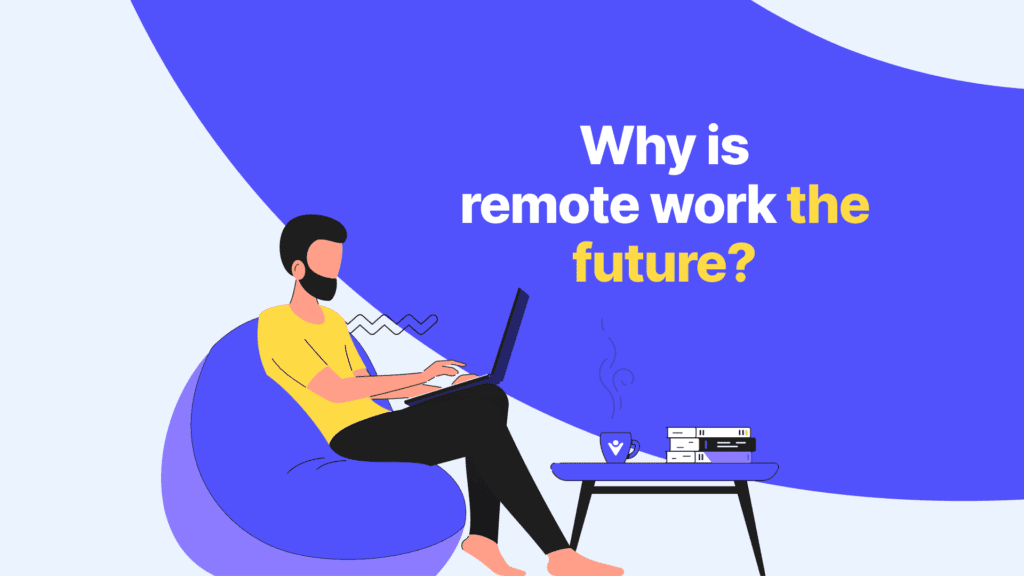
The Future of Remote Operations
Remote operations are evolving beyond simple work-from-home models.
We’re seeing:
- Hybrid structures
- Digital-first companies
- Cross-border collaboration
- Outcome-driven cultures
The organizations that succeed won’t be those with the most tools—but those with the clearest vision.
Remote operations are no longer about where people work. They are about how effectively people collaborate, communicate, and contribute from anywhere.
Conclusion: Making Remote Operations Work for You
Understanding Remote Operations is not just about managing logistics. It’s about reimagining leadership, communication, accountability, and culture.
Remote work strips away physical proximity—but it also removes outdated habits. It forces clarity. It demands trust. It highlights strengths and exposes inefficiencies.
When done thoughtfully, remote operations create workplaces that are more flexible, inclusive, and resilient. Teams gain autonomy. Companies gain agility. Leaders gain perspective.
But success requires intention.
If you approach remote operations as a strategic design challenge—rather than a convenience—you’ll build systems that empower people rather than monitor them. You’ll cultivate teams that feel connected even across continents. And most importantly, you’ll create an organization that thrives not because everyone shares the same office—but because everyone shares the same purpose.
Remote operations are not the future. They are the present. And with the right strategies, they can be your greatest competitive advantage.
!You might be interested in reading this page as well
Small Business Ideas for Women in 2026: Profitable, Practical & Scalable Opportunities